Cordless Drill Embroidery Design Review
First Impressions: A Monochrome Sketch with Purpose
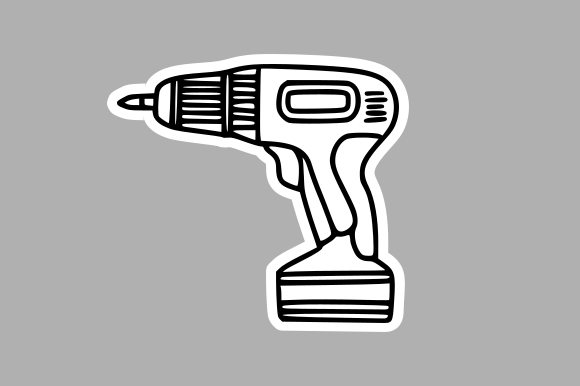
When I first saw the Cordless Drill design, it struck me as a minimalist yet expressive illustration. The monochrome style gives it a clean, modern look that feels both professional and approachable. It’s not overly detailed, but there's enough definition to make the drill recognizable at a glance. The sketch-like quality adds a handmade charm, which makes it feel more like an artistic statement than a generic graphic.
The shape and layout of the drill are well-balanced, with clear lines that translate well into stitch patterns. The visual personality is neutral—perfect for a wide range of embroidery projects where you want the design to be subtle yet impactful. It doesn’t scream for attention, but it’s hard to ignore once it’s stitched onto fabric.
Real-Life Scenario: Custom Embroidered Tote Bag
Let’s imagine using Cordless Drill on a custom embroidered tote bag. This design would work beautifully as a small patch or as a central motif on the front panel. Its simplicity means it won’t overwhelm the fabric, and its black-and-white aesthetic pairs well with natural or muted fabric colors.
I can see this design being used in a boutique setting or as part of a line of handmade products. It could also serve as a personalized gift for someone who loves tools, DIY, or industrial aesthetics. The drill’s sketchy edges give it a touch of authenticity, making it feel like a hand-drawn piece rather than a machine-generated graphic.
Customers might appreciate the subtlety of the design—it’s not too bold, but it still carries meaning. It could be especially popular among crafters, hobbyists, or even professionals looking for a unique way to personalize their gear or gifts.
Performance in Real Embroidery Projects
Cordless Drill is versatile enough to work across various embroidery applications. It would shine on custom apparel such as sweatshirts, t-shirts, or caps, where the design needs to be legible without overwhelming the garment. On a tote bag, it could be placed in the center or corner, depending on the overall design layout.
For handmade products like aprons, pillow covers, or kitchen towels, the design’s minimalism ensures it complements the item rather than competing with it. In commercial embroidery settings, it could be used as part of a branding element or as a standalone decorative feature.
It’s also a good fit for digital product previews or printable mockups, where the goal is to show a realistic representation of how the final product will look. As an embroidery file, it’s likely to perform well on most machines, though I’d recommend testing it on scrap fabric before committing to a full project.
Where to Use with Caution
While Cordless Drill is a great design, there are some scenarios where it may not perform as expected. For instance, when using it on small hoop sizes, the detail might get lost or appear too cramped. Similarly, on textured fabrics or thin, stretchy materials, the stitching might not hold up as well, especially if the design includes dense areas.
On dark fabric backgrounds, the monochrome style might not stand out as intended. Testing the design in different color contrasts—like using black thread on light fabric or white thread on dark fabric—is essential to ensure visibility. Also, on curved surfaces like caps or hats, the design might require adjustments to maintain its integrity after stitching.
If you plan to use it on layered garments or items that need frequent washing, be sure to use the right stabilizer to prevent puckering or distortion over time.
Design Impact and Practical Considerations
The Cordless Drill design contributes to the visual appeal of any project it’s used in. Its clean lines and balanced composition help elevate the finished product, whether it’s a personalized gift, a small shop product, or a craft business item. It adds a touch of professionalism and creativity, which can enhance customer trust and brand consistency.
As an embroidery designer, I find that this design encourages experimentation. It works well as an applique design or as part of a larger embroidered patch. When paired with other graphics, it can create a cohesive theme without overpowering the overall look.
However, it’s important to remember that the stitch density and thread colors used can significantly affect the final result. Always review the stitch density to ensure it doesn’t cause tension issues, and confirm that the hoop size is appropriate for the design’s scale.
Embroidery Designer Notes
Before using Cordless Drill in a real project, here are a few practical steps to consider:
- Test on scrap fabric to see how it stitches and how the thread interacts with the fabric texture.
- Check thread color contrast against your chosen fabric background to ensure visibility.
- Review stitch density and adjust if necessary to avoid puckering or distortion.
- Confirm hoop size and ensure the design fits comfortably within the available space.
- Inspect small details to ensure they remain clear after stitching.
- Test in black and white mockups to preview how it looks on different fabric types.
- Compare light and dark fabric backgrounds to choose the best thread color.
- Use proper stabilizer to support the fabric and maintain design integrity.
- Check whether the design works for both personal and commercial projects before selling finished items or digital assets.
- Confirm licensing terms to ensure you’re allowed to use it for commercial purposes.
Cordless Drill has a lot to offer, especially for those looking for a clean, modern design that adds character without being too loud. Whether you're an Etsy seller, apparel decorator, or craft fair vendor, this design could be a valuable addition to your portfolio of design assets.